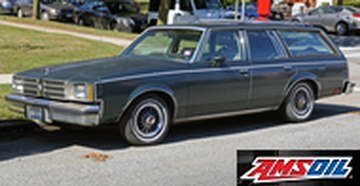
Maintenance and Lubrication for the 1981 Oldsmobile CALAIS 5.7L Diesel
Owning a diesel-powered vehicle from the early 1980s requires a specific approach to routine maintenance. The 1981 Oldsmobile CALAIS equipped with the 5.7L diesel engine relies on consistent lubrication and careful monitoring of fluid conditions to maintain operational integrity. Because diesel engines operate under different thermal and mechanical stresses than gasoline counterparts, following a disciplined service routine is essential for long-term ownership.
Monitoring Fluid Integrity and Condition
Regularly checking the condition of your engine oil is one of the most effective ways to monitor the health of the 5.7L diesel engine. Rather than simply looking at the level, an observant owner should examine the physical characteristics of the lubricant. Diesel engines often produce soot as a byproduct of combustion, which can cause the oil to appear darker more quickly than in a gasoline engine. While some darkening is expected, significant changes in texture or an unusual odor may warrant closer investigation.
When performing inspections, look for the following:
- Consistency: The oil should feel smooth. If it feels gritty or contains visible particulates, this could indicate internal wear or contamination that requires professional diagnosis.
- Color and Clarity: While diesel oil is typically dark, extreme discoloration or a milky appearance can be associated with other fluid interactions that should be addressed immediately.
- Level Stability: Frequent monitoring of the dipstick ensures that any unexpected consumption is identified early.
If you notice unusual mechanical noises or changes in how the engine responds during startup, these symptoms can have multiple causes. It is always prudent to investigate these changes through a professional inspection rather than attempting to diagnose the specific source of the noise yourself.
Observing Potential Warning Signs
Maintaining awareness of how your vehicle behaves during operation can prevent minor issues from escalating into more significant mechanical concerns. For the 1981 Oldsmobile CALAIS, certain indicators serve as important signals for maintenance needs.
Visible fluid seepage is a primary indicator that gaskets or seals may be aging. If you notice oil accumulating on the underside of the engine or dripping onto the ground after the vehicle has been parked, it is important to identify the source. Similarly, any evidence of overheating—such as rising temperature gauges or steam—should be treated with urgency, as thermal management is critical for diesel engine longevity.
It is also useful to monitor exhaust characteristics. While diesel engines have distinct exhaust profiles, sudden or significant changes in smoke color or volume can indicate that the combustion process or the lubrication system requires attention. Always remember that a single symptom does not confirm a specific part failure; rather, these signs are prompts to perform a more thorough inspection of the engine compartment.
Prioritizing Long-Term Engine Care
As vehicles age, maintenance priorities often shift from simple fluid changes to more comprehensive system monitoring. For an owner of a 1981 model, establishing a clear baseline of the vehicle's current condition is a vital first step. If you do not have a complete service history, your first few maintenance sessions should focus on documenting the state of all major components.
When reviewing maintenance records or starting a new log, prioritize the following:
- Service History Review: Determine when the last oil change and filter replacement occurred. Consistent documentation helps identify patterns in fluid consumption or part longevity.
- Component Condition: Instead of replacing parts based solely on the age of the vehicle, use the actual condition of the components to guide your decisions. For example, inspect accessible belts (if equipped) for signs of cracking, glazing, or fraying, and check hoses for any signs of deterioration or softness.
- Addressing Active Issues: If an active leak or a specific warning light is present, these should take precedence over general preventive tasks.
By distinguishing between necessary repairs and unnecessary parts replacement, you can manage the maintenance of your Oldsmobile more effectively. Focus on addressing documented changes in fluid condition or consumption to ensure the engine remains well-protected.
General Inspection of Engine Compartment Components
A routine visual inspection of the engine bay can reveal much about the vehicle's current state. When performing these checks, it is helpful to look for signs of age-related wear that might not be immediately obvious through gauges alone.
Inspect electrical connections and wiring for any signs of fraying or corrosion, as secure electrical integrity is necessary for reliable engine operation. If the vehicle is equipped with various belts, check their tension and surface condition. Additionally, inspecting the air filtration system is a practical task; a clean air intake path is essential for efficient combustion in a diesel application.
If you observe any evidence of previous maintenance neglect—such as heavily contaminated areas or dried-out components—it may be beneficial to perform a more thorough cleaning and inspection. This allows you to see new leaks or issues that might otherwise be hidden by old grime.
Selecting the Right Lubricant for Diesel Applications
The choice of engine oil is a critical component of diesel engine maintenance. Because diesel engines operate under high compression, the lubricant must maintain its stability and ability to protect internal components under varying thermal loads. When selecting a product, consider the following factors:
- Formulation Options: Depending on the specific needs of your engine, you may choose between conventional oils, synthetic blends, or full synthetic formulations. Some high-mileage oil formulations contain additives intended for use in aging engines, and some high-mileage formulations include seal-conditioning additives that may be useful for older seals.
- API Certification: Always verify that the oil carries the appropriate API service category for diesel engines to ensure it meets modern standards for soot handling and deposit control.
- Thermal Stability: A quality lubricant should resist oxidation and maintain its viscosity even under the high-temperature conditions typical of diesel combustion.
Avoid making assumptions based solely on the age of the vehicle or general automotive trends. The most reliable way to ensure you are using the correct product is to consult the specific application data provided for your engine.
Practical Advice for Buying Engine Oil for your 1981 Oldsmobile CALAIS 5.7L
When you are ready to purchase new lubricant, the most important step is to match the oil to the vehicle-specific viscosity and application information already displayed on this webpage. Do not attempt to use a viscosity grade based on memory or general knowledge of other diesel engines, as the requirements for this 5.7L engine are specific.
Before completing your purchase, check the product labels carefully to confirm that the SAE viscosity matches the application information provided above. If you are looking for enhanced protection, you may consider synthetic or high-mileage options, but only if they align with the technical specifications listed for this vehicle. Always prioritize the specific requirements shown in the application data to ensure the continued health and performance of your 1981 Oldsmobile CALAIS.